Project Yarn Circle: a powerful model for youth wellbeing grounded in culture
05 October 2026‘Aboriginal culture heals’, says Charles Rolls, Founder and Director of Youth2Knowledge (Y2K).
It’s something that has been known for thousands of years and has been practised through sharing in yarn circles.
‘That's when mobs would come together and they would share different ceremonies, dances, food and stories,’ says Charles.
Having run youth programs for six years, it was at a professional development program in 2018 that Charles met someone who invited him to attend meetings with Elders and cultural knowledge holders in Brisbane.
‘I used to drive down to Brisbane [from the Sunshine Coast] after work to attend these meetings and I’d mostly sit back and listen,’ says Charles.
‘The meetings went for about 10 months, talking about what was needed for the Aboriginal community, because of Brisbane’s high Indigenous suicide rates.
‘That’s where this idea of Project Yarn Circle sort of popped into my head, listening to Elders say we need culture in schools; we’re not being represented in the schooling and education system.’
Since 2019, Y2K has been delivering Project Yarn Circle—a Brisbane North PHN-funded initiative aimed at reducing suicide rates in First Nations young people through cultural connection.
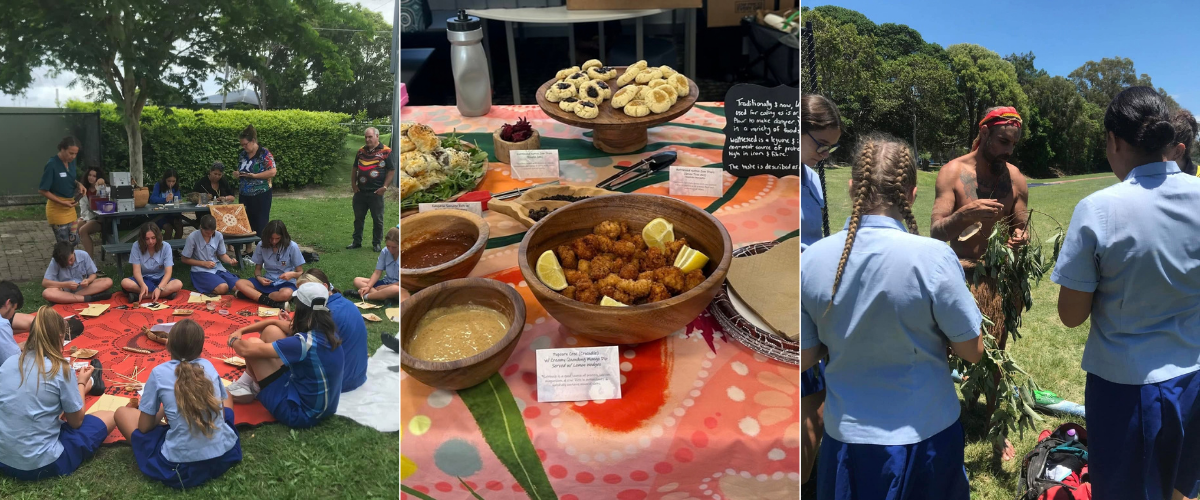
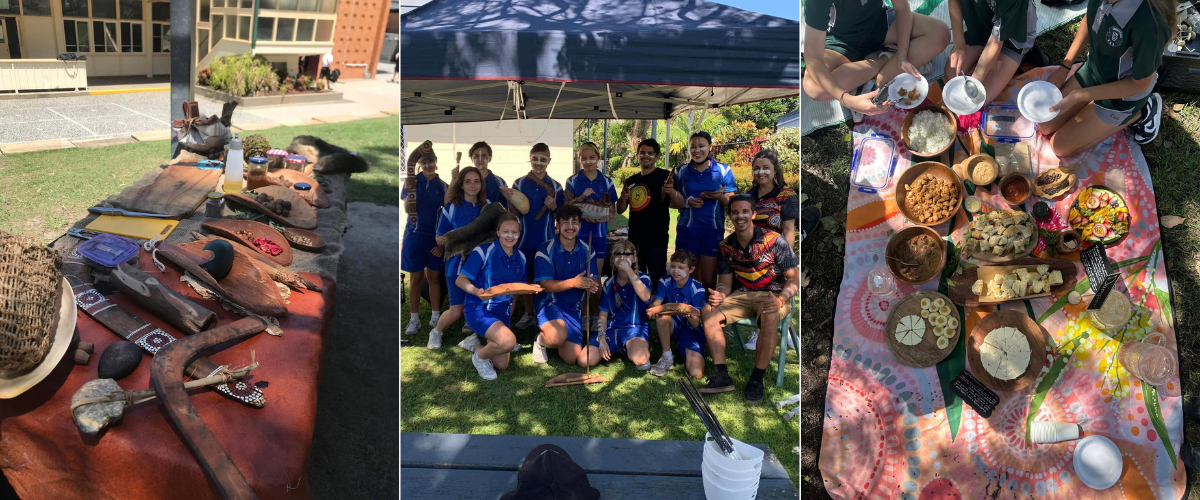
Project Yarn Circle has a team of 12 cultural educators who visit high schools and deliver interactive, educational sessions with bush tucker, art, dance, music, storytelling and traditional games.
‘If you break down what culture looks like, it’s those six types of things, which then through sharing, build a community together,’ says Charles.
That community building and sharing of culture has been proven to significantly reduce suicidal ideation in young people as well as improve self-esteem, hope and belonging, in a Griffith University study led by Dr Mandy Gibson.
Mandy is a psychologist and research fellow who provides research and evaluation support to Y2K, including the landmark study demonstrating Project Yarn Circle’s effectiveness.
‘We know First Nations young people who die by suicide are less likely to have ever had any support within the classic mental health support systems, so we need to actually reduce risk and increase protective factors in community, not just wait and hope we catch those who need help before it’s too late,’ says Mandy.
She says through Project Yarn Circle, it has ‘been wonderful to witness young people’s pride and confidence grow’, and the facilitators have also benefited from the experience.
‘While they all have their own busy lives and competing priorities, they’ve appreciated the chance to come together and share their knowledge and to see how much value they’re adding to others’ lives.’
Charles says the study’s findings reinforce what Aboriginal and Torres Strait Islander communities have always known.
‘The facilitators have been doing these programs for years, so they already know in their hearts it’s the right thing, but to have that academic breakdown, it’s essential to show that this really works,’ says Charles.
The positive outcomes identified in the research are also reflected in the experiences shared by students who have participated in Project Yarn Circle. Students say Project Yarn Circle is helping them build confidence in their identity, strengthen cultural knowledge and feel a greater sense of belonging.
One young person said, ‘before this, I didn’t have the confidence in what being Aboriginal meant,’ with another student stating, ‘It makes young people know that it’s good to embrace your culture so that they’re not embarrassed to say they have Aboriginal heritage’.
Other young people noted connecting with local knowledge and Elders was an uplifting experience: ‘I liked having the facilitators come in, because it shows that you can do whatever you want – if you work hard towards it, like the future is yours’.
The impact of Project Yarn Circle also extends beyond schools and into families and communities, with several young people saying they would share what they learned with their parents.
‘It’s a once-in-a-lifetime experience, because a lot of our parents have grown up without knowing any of this stuff themselves,’ one student said.
Brisbane North PHN is proud to support this powerful initiative, aligning with our goal of improving health outcomes for Aboriginal and Torres Strait Islander peoples in our region.