Social prescribing program changing lives in our community
01 May 2026Loneliness and social isolation are significant public health issues, linked to poor physical and mental health. Research shows that up to 20 per cent of people visit their GP for issues that are primarily social rather than medical. With one in three Australians experiencing loneliness, it has a significant personal toll, as well as economic cost to our healthcare system.
Social prescribing is an approach developed to combat loneliness in our communities, helping people access non-medical support such as social groups, physical activities, volunteering opportunities or wellbeing programs.
Brisbane North PHN funds social prescribing programs such as Social Health Connect, delivered by Footprints Community. Social Health Connect was established to support residents of the Caboolture, Kilcoy and Redcliffe regions with unmet social needs that are impacting their health and wellbeing, with referrals being made to the program by GPs, health professionals and community organisations.
The Social Health Connect team’s Link Workers work alongside participants to connect them with local activities, services, and supports that strengthen wellbeing and community connection. Link Workers take a hands-on approach in helping clients to overcome any barriers that they may face in attending groups independently – these may include transportation, finances, unstable housing and mental health or alcohol and other drug concerns.
Nicola’s story
Nicola joined the Social Health Connect program while experiencing significant PTSD symptoms, low confidence and social isolation. At the time, she was living in unstable housing and was not connected to services or community supports. She engaged with the program to improve her wellbeing and reconnect with her community.
Nicola wanted to improve her mental health and confidence while reconnecting with others and developing a more meaningful daily routine. She also aimed to engage with supportive services and activities that could strengthen her independence and sense of belonging.
With support from her Link Worker, Nicola connected with an online dialectical behaviour therapy (DBT) group, a weekly community lunch at the Women and Girls Health Hub and a women’s creative movement focus group through Centre Against Domestic Abuse (CADA). Through these activities she gradually built relationships, accessed additional supports and began engaging more confidently within her community.
Over time, Nicola developed greater confidence and began independently managing her supports by contacting services and following up herself. She formed friendships, engaged regularly in community activities and moved into more stable housing. Her dog, Zippy, who is being trained as an emotional support dog, has also played an important role in supporting her wellbeing.
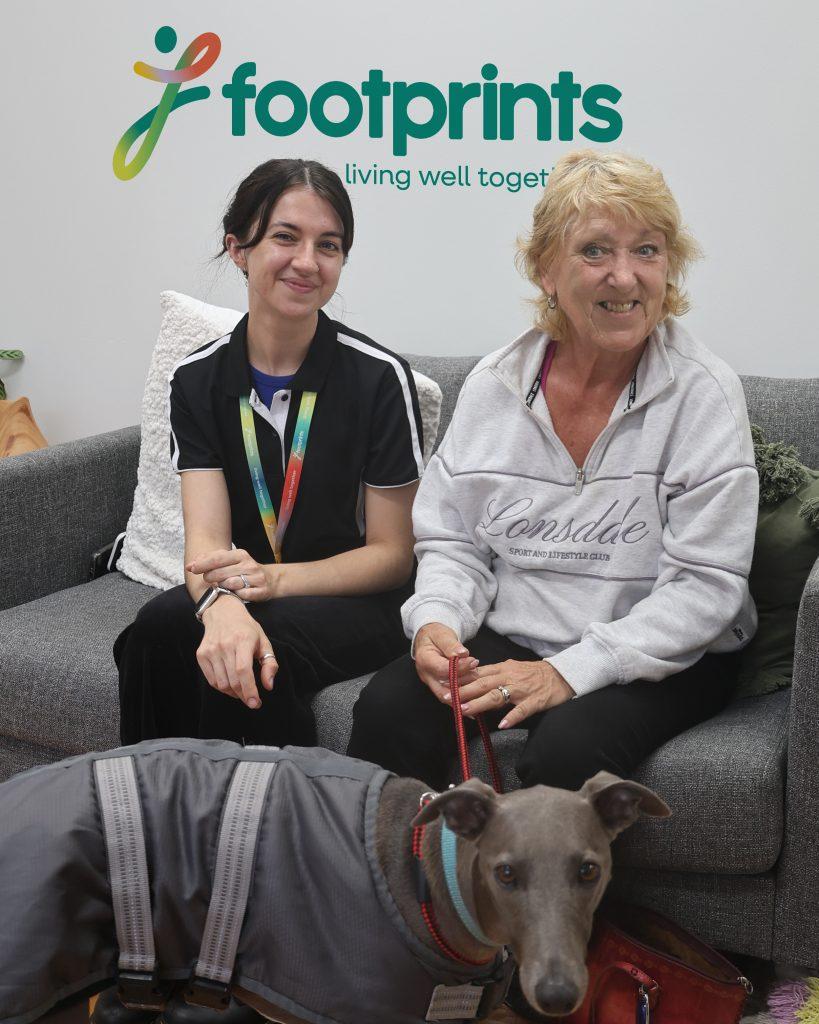
Initial barriers included low confidence, trauma symptoms and limited awareness of available services. Consistent, flexible support and introduction to small, welcoming community activities helped build trust and gradually increase engagement.
Through Social Health Connect, Nicola moved from isolation and instability to confidence, community connection and improved wellbeing. Her story highlights how the right support and access to local activities can empower individuals to rebuild their lives and thrive.
GPs, health professionals, community organisations and individuals can refer to/enquire about the program.
This article has been adapted with permission from Footprints Community. Read more client testimonials on the Footprints Community website.