Diabetes program improving access to care, disease management and creating community
13 July 2026More than 100 people in Strathpine and surrounds living with diabetes are currently participating in the Multidisciplinary Team Diabetes Program, helping them to better manage their diabetes before complications develop and improving their quality of life.
Commissioned by Brisbane North PHN, the Program—delivered by Healthy Lifestyles Australia—provides access to evidence-based diabetes care for those who may otherwise face barriers to accessing allied health services.
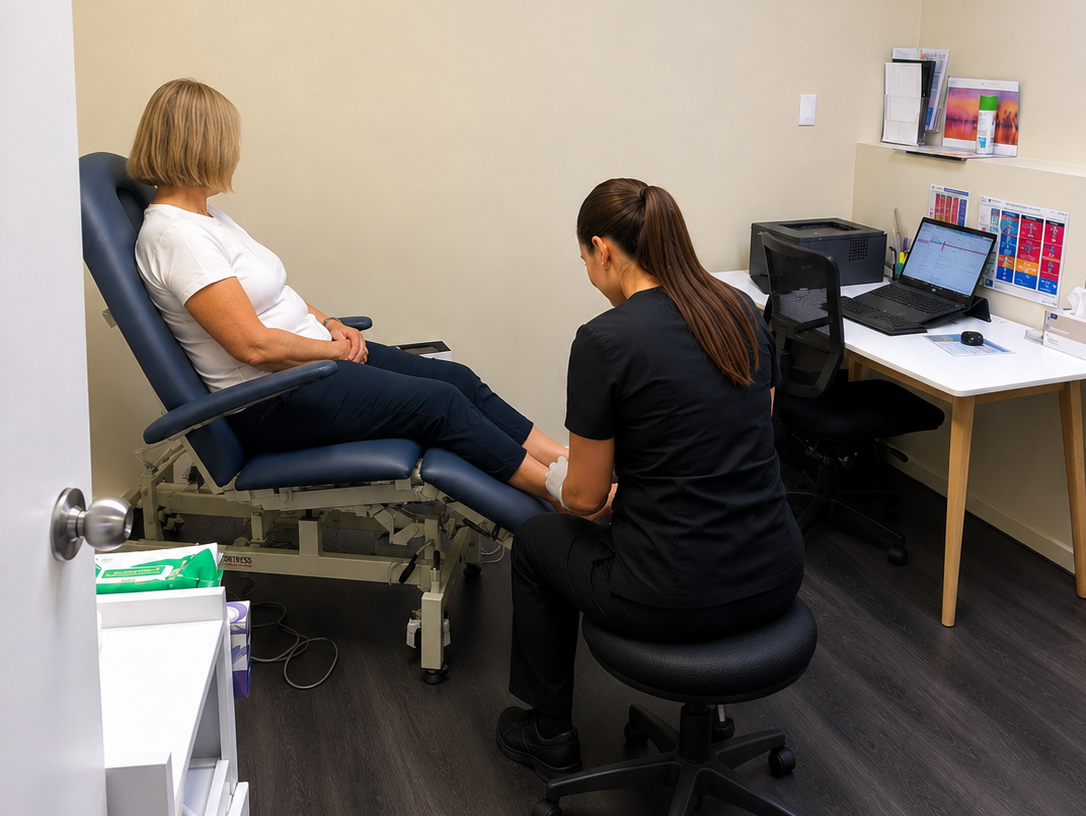
It brings together credentialled diabetes educators, dietitians, exercise physiologists and a podiatrist within one service. Rather than navigating multiple providers independently, clients receive coordinated, individualised care from a team of allied health clinicians who work closely together while maintaining regular communication with each client's GP.
How the program works
Following referral from their GP, clients are booked directly into allied health services that are most appropriate to their individual needs. Depending on their goals and clinical presentation, this may include appointments with a credentialled diabetes educator, dietitian, exercise physiologist and/or podiatrist. On average, each client receives more than 10 allied health appointments.
Throughout the program, the allied health team works closely while maintaining regular communication with the referring GP. This collaborative approach ensures everyone is working towards the same goals and clients receive consistent advice throughout their care.
Clients also attend structured group education sessions covering diabetes self-management, healthy eating, medications, blood glucose management, physical activity, foot health and reducing the risk of long-term complications.
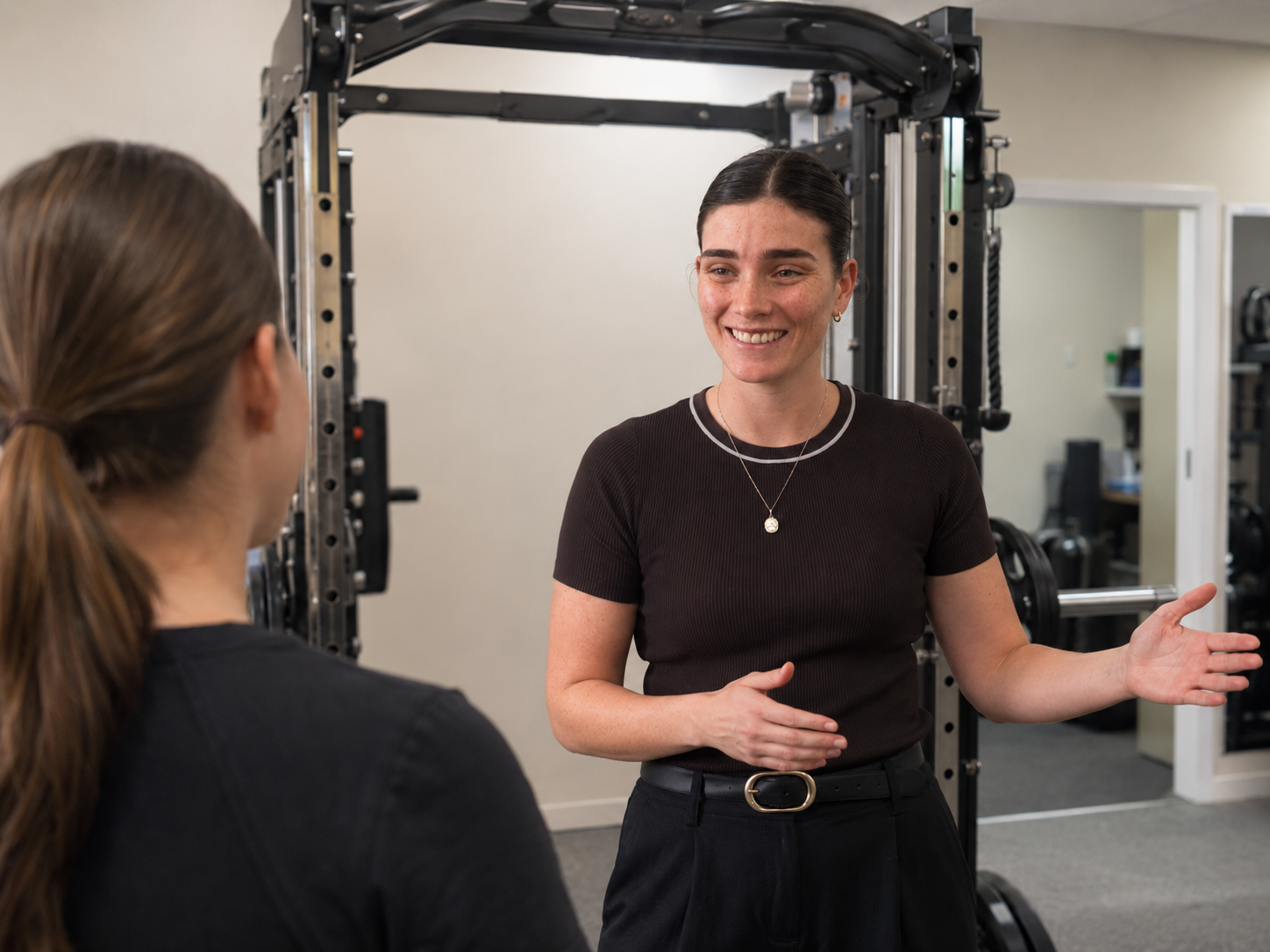
As confidence grows, many clients transition into supervised gym sessions and group exercise classes where they continue building practical skills in a supportive environment alongside others living with diabetes.
Most clients leave the program with practical knowledge, greater confidence and ongoing support networks that help them continue managing their health well beyond the formal program.
Why it’s important
Managing diabetes involves much more than taking medication. Long-term success relies on education, behaviour and lifestyle changes, early identification of complications and ongoing support from a range of health professionals.
For many people, accessing this level of coordinated allied health care simply isn't financially achievable. Without support, opportunities for early intervention can be missed, increasing the likelihood of preventable complications, avoidable hospital presentations and declining quality of life.
Programs such as this remove many of those barriers by providing eligible clients with coordinated access to an experienced allied health team at no cost.
This approach aligns strongly with Brisbane North PHN's commitment to preventative healthcare, chronic disease management and supporting people to remain healthier within their community.
Program impact
One of the biggest impacts of the program is the confidence clients gain to manage their own health.
Healthy Lifestyles Australia Director, Brady Schulz, said: ‘We've seen clients who initially lacked confidence checking their blood glucose levels, exercising or even understanding their diagnosis become much more confident managing their diabetes day to day.
‘Many are making healthier food choices, becoming more physically active and actively participating in decisions about their own healthcare.’
Many clients who were initially anxious about exercising have progressed to regularly attending supervised exercise classes, improving their strength, mobility, balance and overall confidence while building sustainable habits they can continue independently.
‘We've also seen clients seeking help earlier, before complications develop, rather than waiting until problems become more difficult to manage. This gives the team an opportunity to identify risks early and provide timely intervention,’ Mr Schulz said.
‘An unexpected benefit has been the sense of community created through the group education and exercise sessions. Clients regularly share practical tips, celebrate each other's successes and encourage one another through setbacks. For many, particularly those who live alone, these peer connections have become just as valuable as the clinical care itself.’
Since commencement, the program has:
- delivered more than 1,173 coordinated allied health services between dietetics, exercise physiology, podiatry and diabetes education
- improved access to coordinated allied health care for clients who may otherwise have been unable to access these services
- supported clients to develop the knowledge, skills and confidence to self-manage their diabetes
- created opportunities for social connection and peer support through group education and exercise programs
- promoted early intervention and preventative care to reduce the risk of diabetes-related complications and avoidable hospital presentations.
Client stories
One client joined the program shortly after being diagnosed with type 2 diabetes. They described feeling overwhelmed by the diagnosis and worried they would have to completely change their lifestyle overnight. Their biggest motivation wasn't improving a number on a blood test, it was having the energy and confidence to keep up with their grandchildren again.
Rather than focusing on dramatic changes, the team helped the client build small, sustainable habits that fitted into everyday life. As their confidence grew, so did their willingness to try new things. They became more active, learnt how to build balanced meals without feeling restricted and developed a much better understanding of how to manage their blood glucose levels.
The weekly group education and exercise sessions quickly became a highlight. The client found reassurance in meeting others living with diabetes, sharing experiences and celebrating each other's progress. What started as a referral for diabetes management became a supportive community that kept them motivated between appointments.
Several months after joining the program, the client's blood glucose levels had become much more consistent, they were exercising regularly and were back enjoying active time with their grandchildren. More importantly, they no longer felt overwhelmed by their diagnosis and instead felt confident managing it.
Another client had been living with type 2 diabetes for several years and was referred after struggling with persistently elevated blood glucose levels. Their goal was simple, they wanted to improve their health so they could get back to gardening, something they had gradually stopped because of ongoing foot pain and reduced mobility.
During a routine appointment with the diabetes educator, the client mentioned increasing discomfort in one foot. Because the multidisciplinary team works together in the same clinic, they were able to see the podiatrist immediately. Assessment identified a small foreign body embedded in the foot that had gone unnoticed due to diabetic neuropathy. It was safely removed the same day, preventing what could have progressed to an infected foot wound requiring far more complex treatment.
The client continued working with the wider team, making practical changes to nutrition, increasing physical activity and improving diabetes self-management. As their blood glucose levels became more consistent and their confidence grew, they returned to spending time in the garden, something they had genuinely missed.
For this client, the biggest difference wasn't one appointment, it was knowing there was one team communicating, responding quickly and working towards the same goal. That coordinated approach gave them confidence that every aspect of their diabetes care was being supported, helping prevent complications while allowing them to get back to doing the things they enjoyed most.
Learn about the program's launch on the PHN Talk blog.