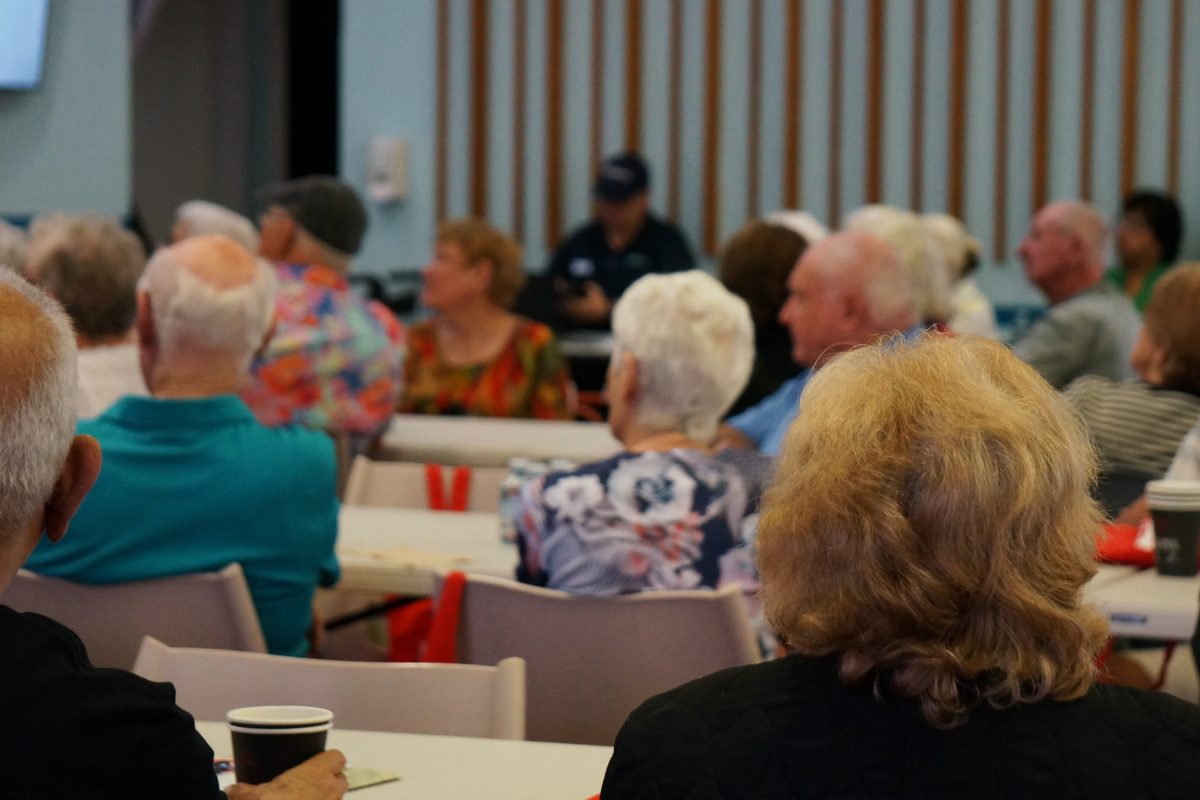
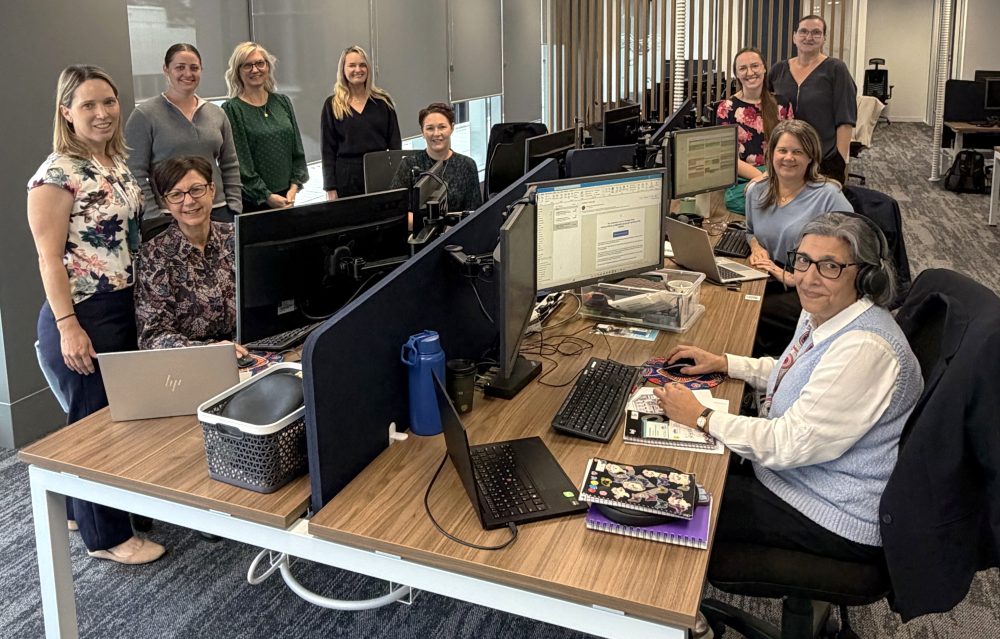
Team Care Coordination meet with seniors across North Brisbane and Moreton Bay
Oct 20, 2026
Supporting patients with chronic and complex health conditions often requires more than clinical care. General practices also help people connect with services, manage different parts of their care and access practical support to remain well at home.
Aug 27, 2026
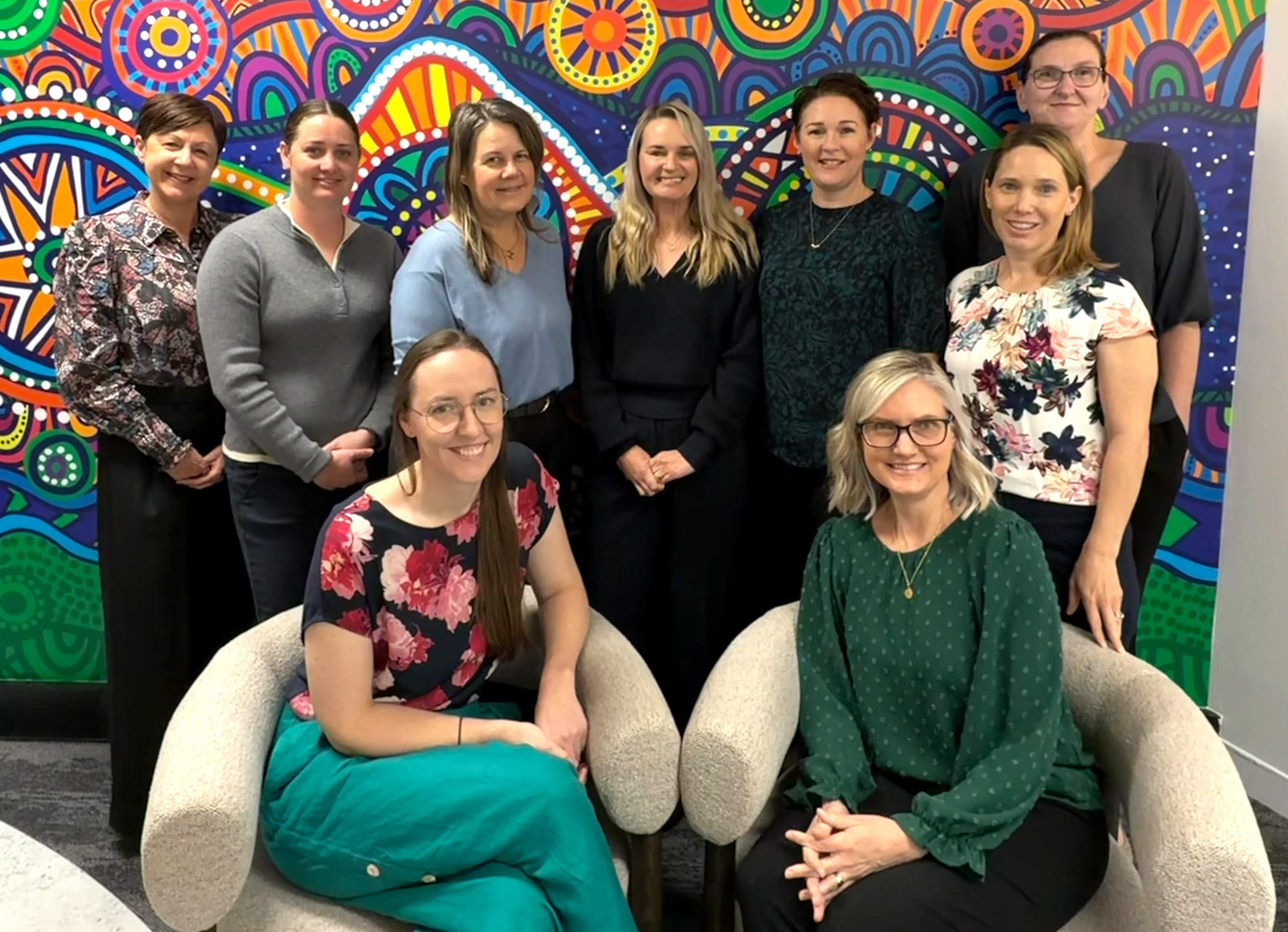
Brisbane North PHN’s Team Care Coordination is celebrating 30 years of delivering coordinated, person-centred support for people with chronic and complex health needs this financial year. General practices in the North Brisbane and Moreton Bay region can refer eligible patients to Team Care to help them manage their health, access appropriate services and stay safely and confidently at home.
First established as a GP-led pilot through the Division of General Practice in the late 1990s, the program has grown from a local care coordination model into a trusted, multidisciplinary service supporting people across North Brisbane and Moreton Bay.
Team Care Coordination’s purpose has remained consistent: to provide practical support to people with complex health needs, particularly when care is difficult to navigate and the goal is to remain well at home.
Team Care Coordination is a free service for adults in the North Brisbane and Moreton Bay region who have one or more chronic or complex health conditions and are not living in residential aged care.
Delivered by clinical nurses and allied health professionals, the program provides tailored health education, service navigation and care coordination based on each person’s needs and goals, with support offered through home visits, telehealth appointments or phone consultations, with ongoing contact for up to three months - extended when needed.
For general practice, the program offers a practical referral option for patients who have needs extend beyond the general practice.
Many clients are managing frailty, falls risk, cardiovascular disease, cancer, cognitive decline or multiple interacting health and social issues. Others may have family or carer concerns, difficulty understanding service pathways, or limited confidence to organise the supports they need.
In 2025–2026, Team Care Coordination received 2,951 referrals and supported 2,882 clients, demonstrating sustained demand across the region. Hospitals remained the largest referral source, accounting for 72 per cent of referrals, while general practice contributed 15 per cent.
Culturally responsive care remains an important part of the program. In the past year, 18.6 per cent of clients identified as culturally and linguistically diverse, while 3.4 per cent identified as First Nations peoples.
The team’s approach recognises that effective care coordination depends not only on knowing what services exist, but on understanding each person’s circumstances, preferences and barriers to care.
The program’s history reflects a steady evolution alongside primary care and community health reform, while staying focused on the needs of people managing chronic and complex conditions at home.
Client and referrer feedback shows what the program means in practice, with people describing nurses who listen, explain options clearly and help families make sense of a complex system.
Referrers value knowing that a health professional can work alongside a vulnerable person, helping them implement supports rather than simply handing over information and leaving them to navigate the next steps alone.
One client said the nurse who visited was kind, understanding and helped put them at ease, while a family member described Team Care as a ‘lifeline’ that helped their 90-year-old father continue living safely in his own home.
For general practice, a referral may be appropriate when a patient has complex chronic disease, repeated hospital presentations, falls or frailty concerns, difficulty accessing services, carer stress, or a need for additional support to remain safely at home.
Thirty years on, Team Care Coordination continues to reflect a simple and enduring idea: care works best when it is coordinated around the person, their home, their health and their goals.
1997–1999: Team Care Coordination began as a GP-led pilot through the Division of General Practice, laying the foundations for a local care coordination model.
2002–2005: The program expanded to support Medicare and DVA Gold patients, while moving toward a nurse-led model.
2006–2013: Team Care Coordination opened a second office and connected with broader programs, including Integrated Team Care with the Institute for Urban Indigenous Health (IUIH).
2014–2023: The program strengthened hospital and GP referral pathways, expanded Service Navigation and added occupational therapy support.
2024–now: The program continued to evolve, with allied health assistant support, consumer advisory input, student involvement, national accreditation and preparation for Support at Home reforms.
Visit the Team Care Coordination page on the PHN website to learn more.
The Service Navigator Helpline (1800 250 502) is available to health professionals for advice and information about health and community services available across the North Brisbane and Moreton Bay region.

We acknowledge the Traditional Custodians within our region: the Jagera, Turrbal, Gubbi Gubbi, Waka Waka and the Ningy Ningy peoples of where we meet, work and learn. Brisbane North PHN is committed to reconciliation. Our vision for reconciliation is where the stories of our First Nations’ people are heard and shared, and networks are formed.