Get to know our region
Brisbane North PHN spans some of Queensland's fastest-growing communities—from the Brisbane River north to the Somerset ranges, east to the shores of Moreton Bay and across the South Pacific Ocean to Norfolk Island.

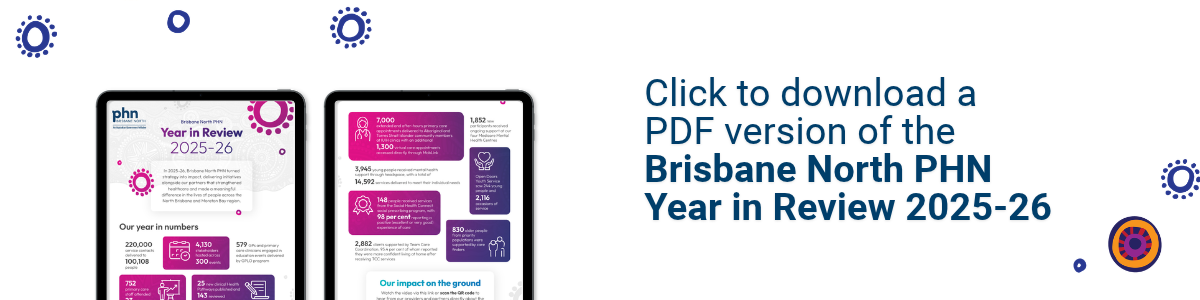
In 2025-26, Brisbane North PHN turned strategy into impact, delivering initiatives alongside our partners that strengthened healthcare and made a meaningful difference in the lives of people across our region.
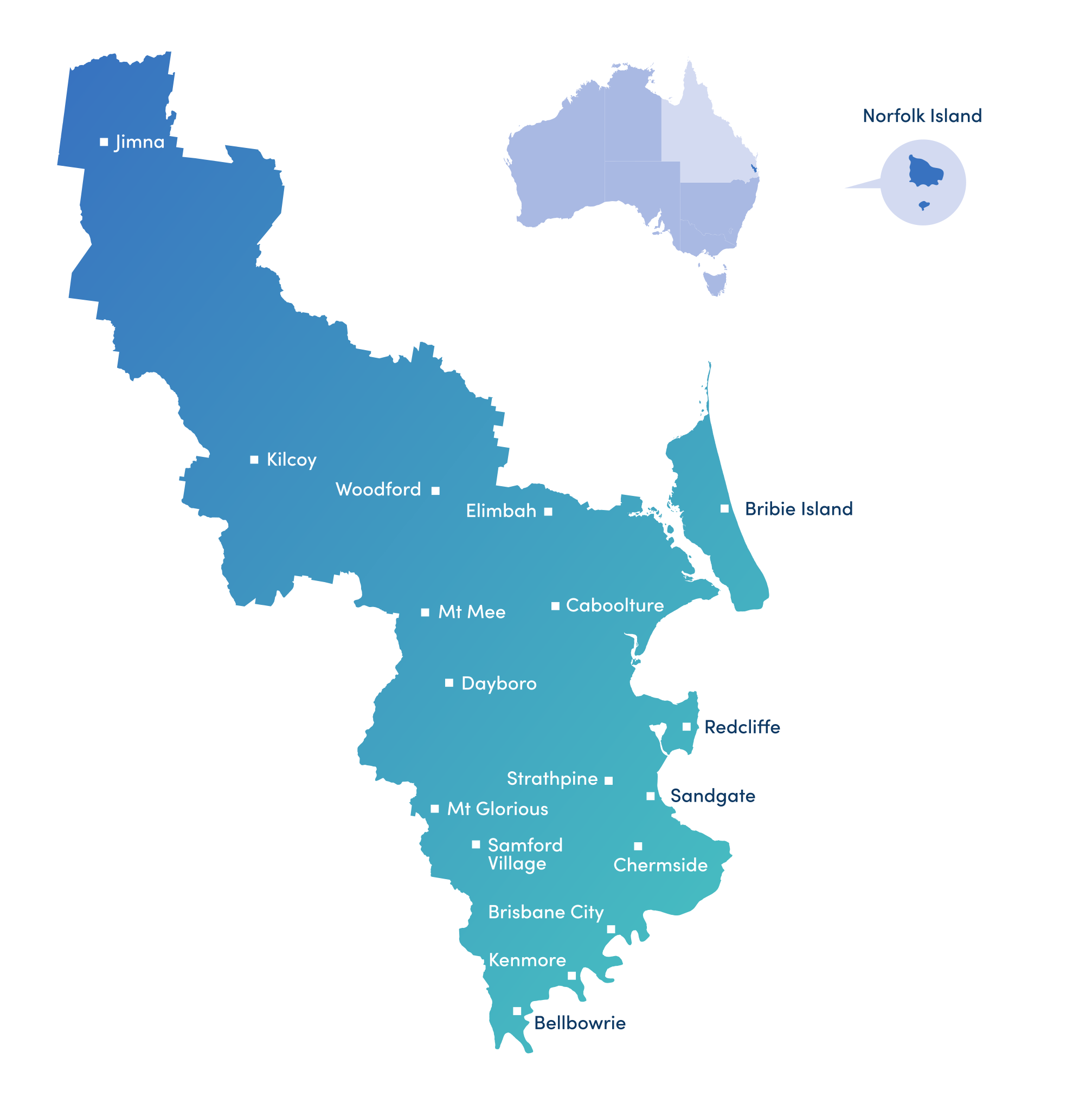
Most of our region's one million people live across metropolitan Brisbane—suburbs like Chermside, Kenmore and the inner north—where demand for primary care is greatest.
To the east, our region reaches the waters of Moreton Bay—taking in Redcliffe, Sandgate and the island communities of Bribie, with their own distinct health needs.
The Moreton Bay growth corridor around Caboolture and Elimbah is among the fastest-growing in the country, requiring considered healthcare planning.
To the north and west, the Somerset hinterland—Kilcoy, Woodford and Jimna—brings the challenge of delivering care across distance to smaller, rural communities.
Across the South Pacific Ocean, approximately 2,188 people live on the remote Norfolk Island.

220,000
service contacts delivered to 100,108 people
4,130
stakeholders hosted across 300 events
579
GPs and primary care clinicians engaged in education events delivered by GPLO program
752
primary care staff attended 23 education and capacity-building sessions delivered by the PHN’s Primary Care team
204
general practices participated in CQI activities
25
new clinical HealthPathways published and 143 reviewed
83,442
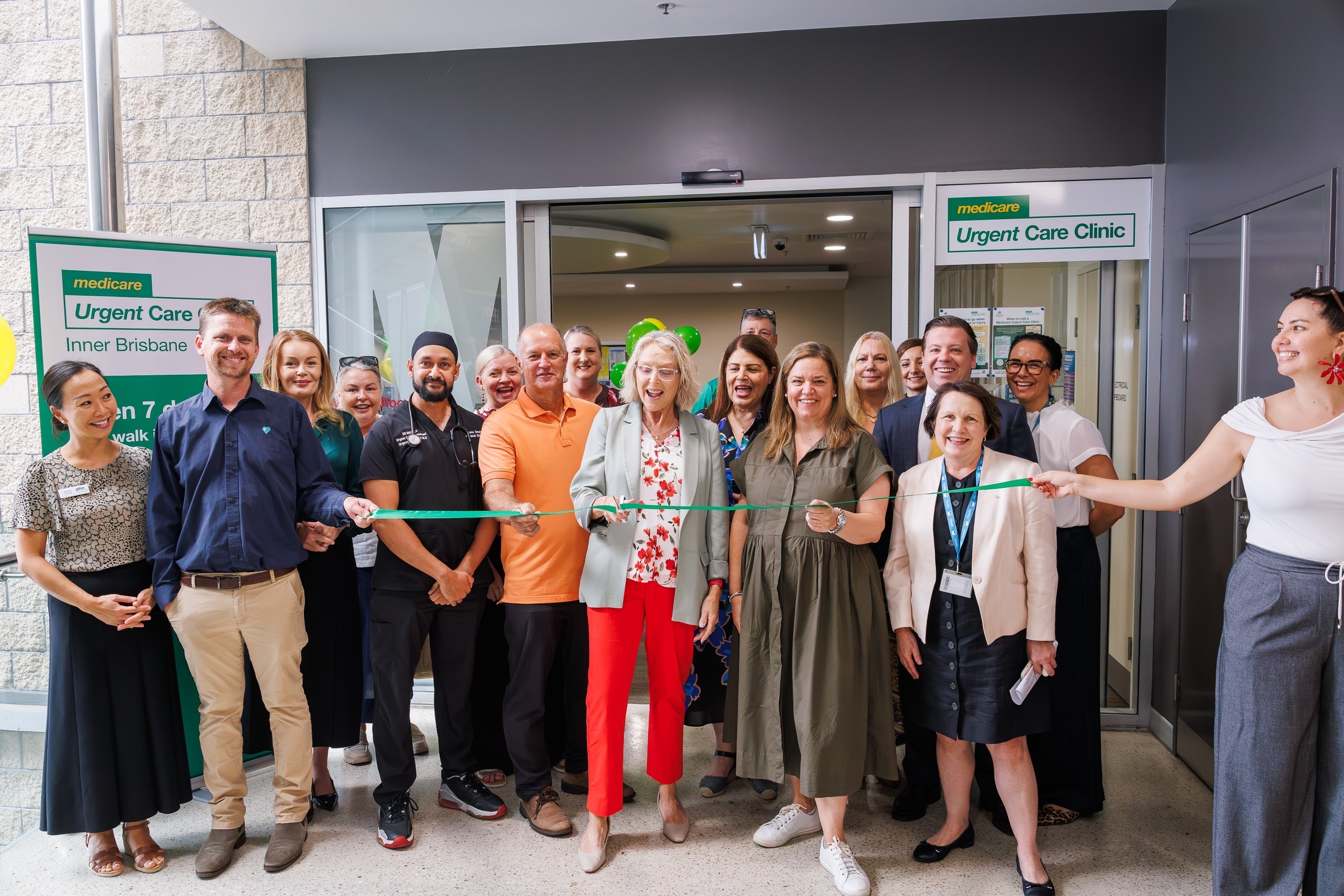
service contacts delivered at five Medicare Urgent Care Clinics across the region
1,945
people—204 identified First Nations—received services via four Integrated Mental Health Hubs. 31,703 service contacts were delivered to meet individual support needs
7,000
extended and after hours primary care appointments delivered to Aboriginal and Torres Strait Islander community members at IUIH clinics
1,300
virtual care appointments accessed directly through MobLink
1,852
new participants received ongoing support at our four Medicare Mental Health Centres
244
young people utilised Open Doors Youth Service with 2,116 occasions of service
3,945
young people received mental health support through headspace, with a total of 14,592 services delivered to meet their individual needs
830
older people from priority populations were supported by care finders
2,882
clients supported by Team Care Coordination, 95.4 per cent of whom reported they were more confident living at home after receiving TCC services
148
people received services from the Social Health Connect social prescribing program, with 98 per cent per cent reporting a positive (excellent or very good) experience of care
55,669
contacts with the PHN-funded Queensland Network of Alcohol and Other Drug Agencies
16,157
service contacts for people accessing alcohol and other drug services, supporting 1,509 individuals
Hear from our providers and partners directly about the impact of their commissioned work in our community.

Underpinned by the Brisbane North PHN Strategic Plan 2024-2027, our strategic goals are embedded into our organisation to help create a community where good health is available to everyone. Read our impact stories and how we have progressed against each goal over the last 12 months below.

A joint initiative of Metro North Health and Brisbane North PHN, the Health Alliance is a priority partnership for the PHN, working towards the vision for people in the North Brisbane and Moreton Bay region to experience a seamless, integrated and navigable system of care that delivers quality health outcomes.
In FY 2025-2026, the partnership progressed important initiatives supporting healthy ageing, child development and improved outcomes for people with complex, chronic health needs.

The Age-friendly 4017 project is community-led and place-based, bringing together local stakeholders and community providers in December 2025 for a workshop to share feedback on improved outcomes for older people.
A project working group was established in March 2026 with the Health Alliance, local health and community organisations, and carer and consumer representatives, with a shared vision to make it easier for older people in Sandgate, Brighton, Shorncliffe, Deagon and Bracken Ridge to live safely, independently and stay connected in their local community. Key activities included stakeholder engagement and planning towards a successful interagency event, which was held in July 2026.
Watch the video below with Claire Harrison from Brighton Wellness Hub to learn more about the project.
Caboolture Kids Collective uses a place-based, multiagency approach aiming to increase timely access to assessment, supports and treatment for children (and their families) with developmental delay and disabilities in Moreton Bay’s northern region.
The Health Alliance brought together community providers for a cross-sector workshop focused on strengthening support for children with developmental delay in November 2025. This event explored what is and isn’t working within the local child development system and identified practical, collective actions that could improve outcomes for children and families. As a result, the Health Alliance developed a Caboolture Kids Collective website to support this place-based, multiagency approach.
Visit the Caboolture Kids Collective website.
The Health Alliance is facilitating the development of a 15-year strategic vision and roadmap to guide how our region supports older people to live well, safely and independently. The roadmap has been shaped through a partnership approach, forming a Steering Committee in February 2026 comprising members from local and national health and community organisations. Led by the Health Alliance, a Brisbane North Ageing Well Vision workshop was convened in April 2026, bringing together the Steering Committee to further shape and scope the vision and roadmap based on guiding principles.
The Health Alliance led the review of partnership and governance arrangements between Metro North Health and Brisbane North PHN. A self-assessment survey was developed, based on the Queensland Commonwealth Partnership Report: Thought Leadership and Framework to Support Joint Regional Governance. The findings informed a Strategic Planning Workshop held on 22 June 2026 to align strategic priorities, strengthen joint working arrangements and identify shared strategic initiatives that will deliver tangible improvements in system performance and population health outcomes.
The Specialist Pain Assistance Network (SPAN) program is funded by Metro North Health, created in partnership with the Tess Cramond Pain and Research Centre (TCPRC) and Brisbane North PHN, helping people with lower-acuity persistent pain access support closer to home.
SPAN offers a multidisciplinary, community-based persistent pain program delivered by provider PainWISE. Utilising PainWISE’s Turning Pain into Gain program, participants access allied health assessments, treatment and education to help them manage their pain in a community setting. What stands out most in participant feedback is that the program not only helps people manage pain but to reconnect with life.
One participant shared, ‘Just last night my 16-year-old son came up to me and gave me a big hug and said it’s really good to have my mum back’.
Read more about SPAN on the PHN Talk Blog.
The Care Collective program ended on 30 June 2026 due to unavailable funding for 2026/27 and beyond.
The Care Collective worked to reduce emergency department presentations and unplanned admissions for frequent presenters to emergency departments (ED) living with chronic obstructive pulmonary disease, congestive heart failure and conditions contributing to debility, through complex care coordination embedded within general practices in Caboolture and Redcliffe.
Independent Interim Evaluation Report indicative findings demonstrate a 119 per cent return on funding invested in savings to the health system, from avoided acute service use (diversion from ED presentations and admissions) from July 2025 to January 2026. The Health Alliance is proud of the success of the program.



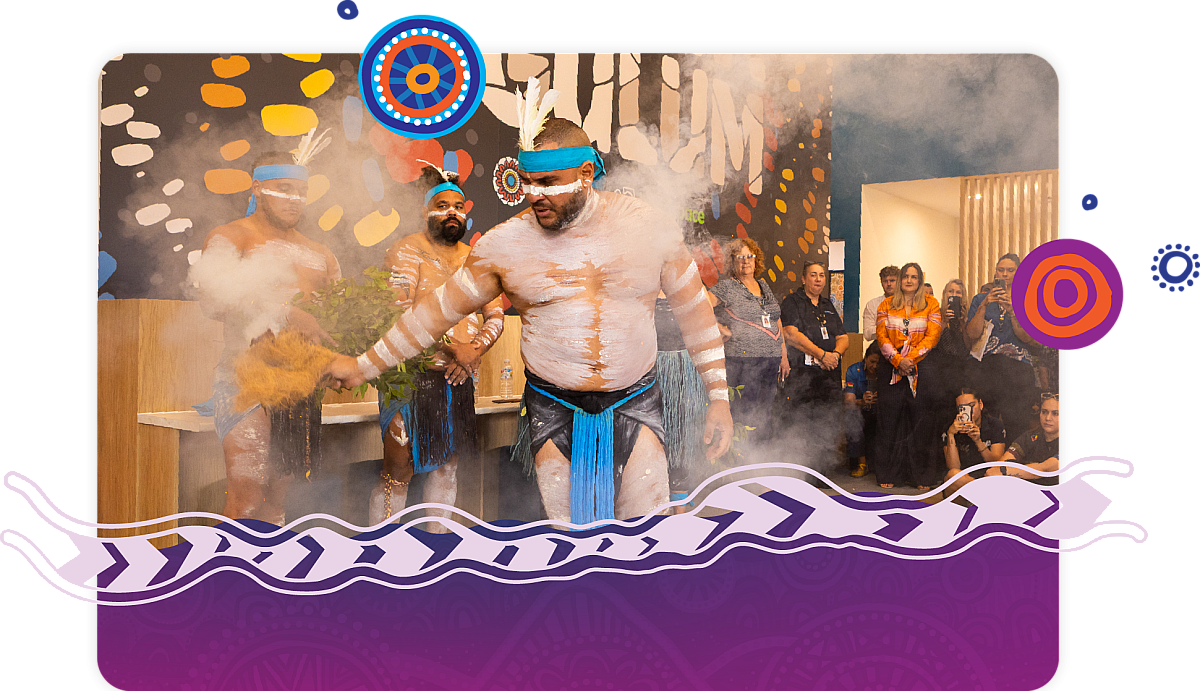
We acknowledge the Traditional Custodians within our region: the Jagera, Turrbal, Gubbi Gubbi, Waka Waka and the Ningy Ningy peoples of where we meet, work and learn. Brisbane North PHN is committed to reconciliation. Our vision for reconciliation is where the stories of our First Nations’ people are heard and shared, and networks are formed.